Foreigners Can Now Buy Property in Indonesia With Just a Passport — Here's What You Need to Know Before Competition Intensifies
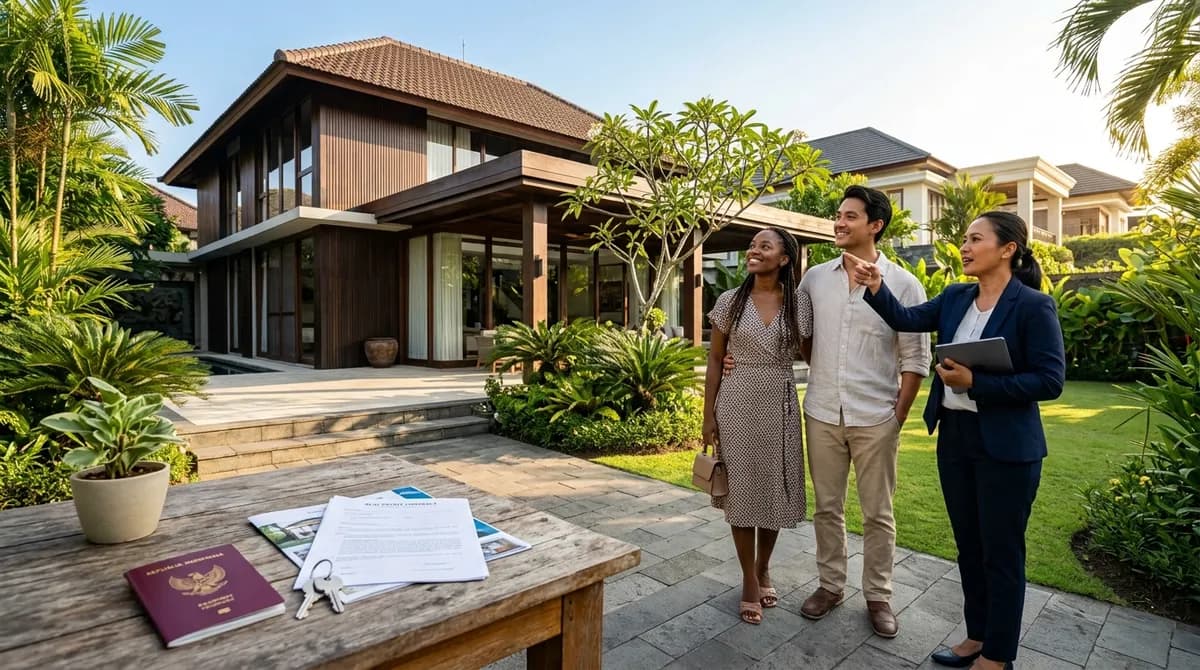
Foreigners can now buy property in Indonesia with just a passport. Learn the legal basis, restrictions, and impact on local buyers before competition heats up.
Foreigners Can Now Buy Property in Indonesia With Just a Passport — Here's What You Need to Know Before Competition Intensifies

Recent news has caught many by surprise: foreign nationals can now own residential property in Indonesia with nothing more than a passport as their main requirement. This isn't just a rumor — it's an official government policy that could reshape the competitive landscape of the national property market, particularly in major cities that have long been prime targets for domestic investors.
The Legal Basis Behind This Policy
Under Government Regulation Number 18 of 2021 concerning Management Rights, Land Rights, Condominium Units, and Land Registration, foreign nationals seeking to own residential property in Indonesia only need to hold valid immigration documents, such as a visa, passport, or residence permit. This regulation is a derivative of the Job Creation Law, aimed at attracting foreign investment into the domestic property sector.
Notably, this differs from previous rules that required foreigners to hold a Limited Stay Permit (KITAS) or Permanent Stay Permit (KITAP) before purchasing property. Under the current framework, basic immigration documents like a passport and visa are now considered sufficient for the initial administrative requirement.
Types of Property Foreigners Can Own
Not all property types come with full ownership rights for foreign buyers. For landed houses, foreigners typically receive a Right to Use (Hak Pakai) status rather than a Freehold Title (SHM), which remains exclusive to Indonesian citizens. For apartment units or condominiums, foreigners can obtain a Certificate of Ownership for Condominium Units (SHMSRS), provided the unit is located in a building constructed on land with Right to Use or Right to Build status, whether on state land or land under management rights.
Restrictions You Should Know About
Despite the apparent ease of ownership, several restrictions still apply to foreigners purchasing property in Indonesia:
Minimum price threshold — the government sets a minimum purchase price depending on the property type and location. As a general reference, the minimum average price for landed houses is around Rp5 billion, while apartment units are set at approximately Rp3 billion.
Land size limit — the maximum land area a foreigner can purchase is capped at 2,000 square meters.
No renting out allowed — properties owned by foreigners cannot be rented out to other parties, as the properties are intended for personal residence only.
Popular destinations — the three most sought-after locations for foreign property ownership in Indonesia are Jakarta, Bali, and Batam.
Why Does This Matter for Local Home Buyers?
The phrase "competition intensifies" in the title isn't just for effect. As foreign ownership becomes easier, particularly in premium areas such as South Jakarta, Bali, and Batam, demand for upper-middle-class housing is likely to rise. This could drive up property prices in these favored locations over the coming years.
For local buyers planning to purchase property in strategic areas, understanding this trend is essential to avoid being "outpaced" by foreign investors who often have greater purchasing power, especially in the premium property segment.
What to Consider Before This Policy's Impact Widens
Monitor areas gaining foreign interest, particularly around Jakarta, Bali, and Batam, as these are likely to see faster price appreciation.
Consider buying earlier if you plan to own property in the same areas, before rising demand from foreign investors pushes prices up significantly.
Understand the difference in ownership status between SHM (exclusive to Indonesian citizens) and Hak Pakai/SHMSRS (for foreigners), to avoid confusion during future transactions or resale.
Stay updated on regulatory changes, as policies related to foreign property ownership are likely to continue evolving alongside national investment needs.
Consult a notary or property advisor when transacting in areas experiencing rising foreign interest, to ensure the legal process remains secure.
Conclusion
Easier property ownership for foreigners in Indonesia is part of a broader government strategy to attract foreign investment into the national property sector. While restrictions such as minimum pricing, land size limits, and rental bans remain in place, this policy has the potential to reshape market dynamics in favored areas over the coming years. For local buyers, understanding this policy early isn't just about following a trend — it's a proactive step to avoid falling behind in the race to secure property in strategic locations.
Pemberitahuan Redaksi (Editorial Disclosure)
Artikel di PropertyID disusun melalui proses riset dan penulisan berbantuan teknologi, kemudian ditinjau dan divalidasi oleh tim redaksi sebelum dipublikasikan untuk memastikan keakuratan informasi, khususnya terkait data regulasi, simulasi finansial, dan ketentuan perbankan yang berlaku.
Bambang Prakoso, S.H., M.Kn.
Bambang Prakoso adalah notaris dan PPAT aktif dengan pengalaman lebih dari 10 tahun menangani legalitas transaksi properti. Ia aktif membagikan panduan hukum terkait sertifikasi tanah, akta jual beli, dan penyelesaian sengketa properti.