
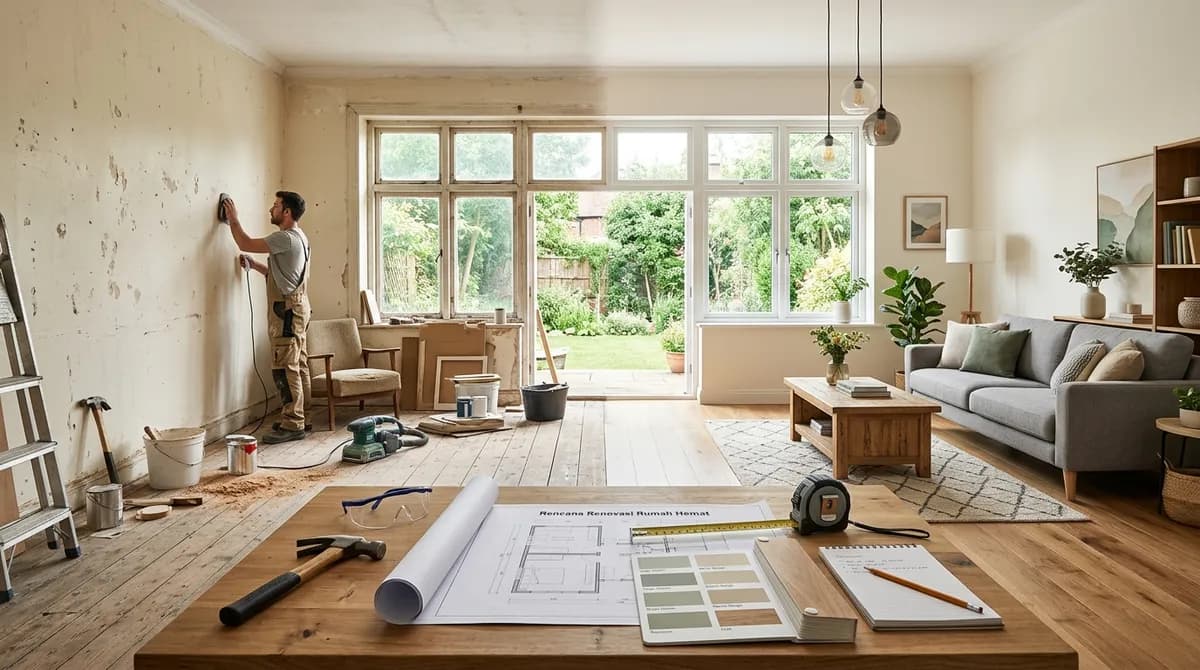

Renting vs Buying: Why Young Indonesians Choose to Rent in 2026
Indonesia's younger generation is increasingly choosing to rent rather than buy a home. Is this a poor decision, or a smart financial strategy amid soaring property prices? Read the full analysis here.
Why Indonesia's Young Generation Now Prefers Renting Over Buying a Home — A Mistake or a Smart Strategy?
A new pattern is emerging among Indonesia's younger generation. Rather than rushing to own a home as early as possible, many are choosing to rent for extended periods instead. This shift has sparked debate: is it a sign that young people are avoiding financial commitment, or is it actually a smarter approach to managing money amid increasingly challenging economic conditions?
Property Prices Are Outpacing Income Growth
One of the main drivers behind this trend is the widening gap between property prices and the average income of young workers. In major cities such as Jakarta, Surabaya, and Bandung, housing prices continue to climb year after year, while wage growth remains largely stagnant or barely keeps pace with inflation. As a result, the ratio between home prices and annual income has become increasingly unrealistic for many middle-income earners.
With both subsidized and non-subsidized housing prices on the rise, and mortgage approval requirements growing stricter—covering minimum down payments, credit history, and debt-to-income ratios—many young people no longer see homeownership as a realistic goal in their 20s or early 30s.
Flexibility Has Become a New Priority
Today's young workforce operates in a far more dynamic environment than previous generations. Many work remotely, relocate for career opportunities, or even take on jobs across borders. In this context, owning a home tied to a single location can become a liability rather than an asset.
Renting offers the freedom to relocate based on career or lifestyle needs, without the financial risk of having to sell a property on short notice—something that can be costly when market conditions aren't favorable.
Avoiding Long-Term Debt Obligations
Buying a home through a mortgage means committing to 10 to 20 years of financial obligations. For many young people, that length of commitment feels too risky, especially amid global economic uncertainty, potential layoffs, or plans to start their own business.
Instead of allocating most of their income toward mortgage payments, some choose to redirect those funds into other investment instruments such as mutual funds, stocks, digital gold, or business capital—assets they believe offer faster potential returns compared to tying up money in property.
It Doesn't Mean Giving Up on Homeownership Entirely
It's important to note that choosing to rent doesn't mean young people have abandoned the idea of owning a home altogether. Many still consider property ownership a long-term goal, but with a more calculated approach. They prefer to wait until their finances are truly stable, build a sufficient emergency fund, and gain a clearer understanding of the location and property type that fits their long-term needs.
This approach is often referred to as "rent now, buy later"—renting first while building a stronger financial foundation, rather than rushing into a home purchase before being financially ready.
The Other Side: The Risk of Renting for Too Long
While this strategy sounds rational, long-term renting isn't without risks. Without a clear plan, someone could end up renting well into old age without ever building property assets for the future. Rising rental costs each year can also erode potential savings, especially if funds meant for investment end up being spent on daily consumption instead.
Additionally, continuously rising property prices mean that delaying a purchase could result in facing significantly higher prices in the years to come, making homeownership even harder to achieve later.
So, Is It a Mistake or a Smart Strategy?
The answer largely depends on each individual's circumstances. For those with a well-thought-out financial plan—renting while actively investing, saving for a down payment, and monitoring the property market—renting can be a smart strategy to build a stronger financial foundation before making a major decision like buying a home.
However, for those renting without clear financial direction, without a savings target, or simply avoiding commitment without a solid economic reason, this situation could become a long-term financial trap.
Tips for Making the Right Decision
Compare the rent-vs-mortgage ratio in your target location to see which option is more financially beneficial in the long run.
Set a clear timeline for when you want to own a home, then build a concrete down payment savings plan.
Diversify your investments while renting so your funds don't simply "evaporate" on rental costs.
Monitor property price trends in your target area to avoid missing the right buying window.
Consult a financial planner if you're unsure about the right time to buy a home.
Conclusion
The trend of young people choosing to rent isn't simply a reluctance to commit—it reflects a shift in how this generation approaches financial planning amid modern economic challenges. As long as it's done with a clear strategy and purpose, choosing to rent can be a smart step toward long-term financial stability, rather than an aimless delay.
Pemberitahuan Redaksi (Editorial Disclosure)
Artikel di PropertyID disusun melalui proses riset dan penulisan berbantuan teknologi, kemudian ditinjau dan divalidasi oleh tim redaksi sebelum dipublikasikan untuk memastikan keakuratan informasi, khususnya terkait data regulasi, simulasi finansial, dan ketentuan perbankan yang berlaku.
Tim Redaksi
Tim redaksi PropertyID menyajikan berita, analisis, dan panduan properti terpercaya.