

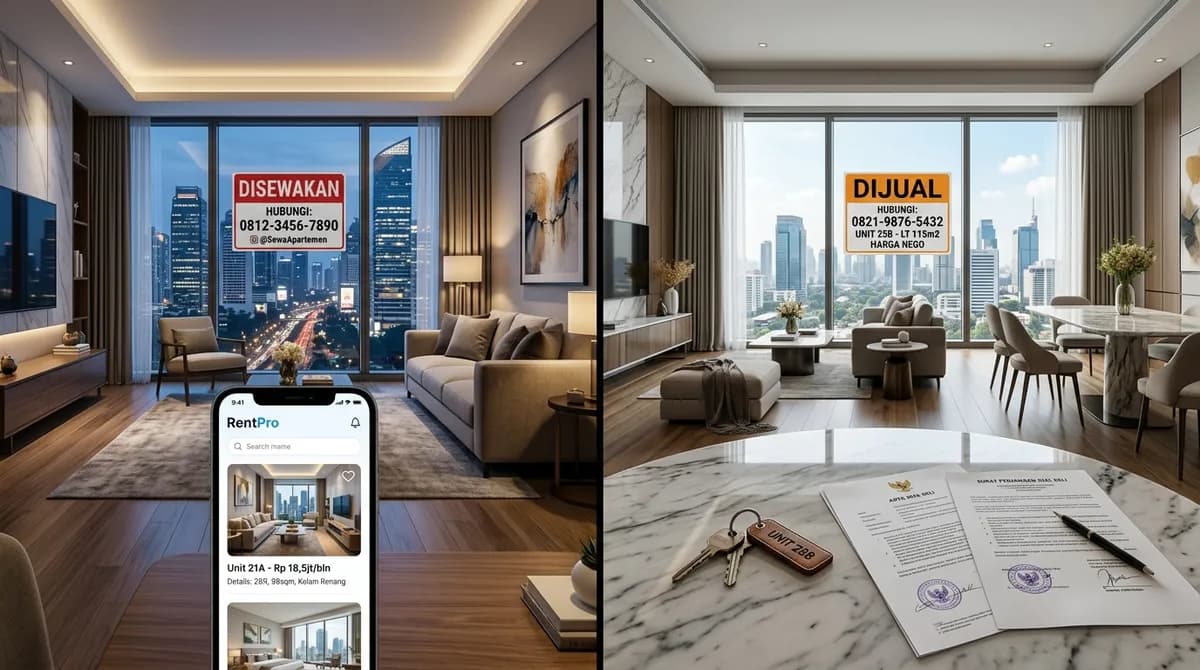
Cara Negosiasi Harga Rumah dengan Developer Saat Pasar Melambat

Harga listing developer bukan harga final — dan pasar 2026 yang melambat memberi posisi tawar terbaik untuk pembeli. Panduan ini membahas 6 strategi negosiasi taktis: riset harga pasar, timing pembelian, konsesi non-harga, hingga cara menjaga leverage emosi agar kamu pulang dengan nilai terbaik.
How to Negotiate a House Price with a Developer When the Market Slows Down
There is one truth that rarely gets stated openly in Indonesia's property industry, yet is understood by virtually every experienced practitioner: the listing price is never the final price. The gap between the figure on a developer's brochure and the price actually agreed upon at signing can reach tens of millions — sometimes hundreds of millions of rupiah — depending on market conditions, the developer's urgency, and how intelligently the buyer positions themselves at the negotiating table.
And the 2026 property market has handed buyers a leverage position that rarely comes around.
Bank Indonesia's data for Q1 2026 shows that the Residential Property Price Index grew only 0.62% year-on-year — down from 0.83% in Q4 2025. The slowdown spans nearly all house types and all regions. Of 18 cities surveyed, 10 recorded slowing price growth and three actually posted year-on-year price declines. In plain terms: developers need buyers more than they have in years. And when leverage shifts toward the buyer's side, those who know how to negotiate walk away with significantly better value than the brochure suggested.
This is a tactical guide for capturing exactly that opportunity.
Understanding the Developer's Psychology in a Slow Market
Before diving into technique, it helps to understand what is actually happening on the developer's side when the market softens.
When demand weakens and operating costs keep rising, developers adopt efficiency strategies to protect performance. To stimulate sales, developers offer price discounts, free furniture packages, and low-rate financing for their units. Understanding the pressure behind these moves is the foundation of effective negotiation.
Three forces squeeze developers most intensely when sales slow:
Ongoing construction costs that don't pause. A project already under construction cannot simply be frozen. Every passing day incurs costs for labor, materials, and overhead — whether units are selling or not.
Bank obligations that demand cash flow. Most property developments are partially financed through construction credit lines from banks. Developers have interest payment and principal repayment schedules that cannot be deferred. Unit sales are their primary mechanism for generating the cash flow to service those obligations on time.
Quarterly sales targets under investor scrutiny. Publicly listed developers report marketing sales figures every quarter. When those targets are at risk of being missed, pricing flexibility increases materially and often quietly.
Internalizing these three pressures reframes your position entirely. You are not a buyer asking for charity — you are a liquidity solution for a developer operating under financial pressure. That changes the negotiation dynamic in your favor before you even open your mouth.
Strategy 1: Research Market Prices Thoroughly Before Entering Any Showroom
This is the non-negotiable foundation of every other strategy. In a softening market, the opportunity to buy cheaply comes from negotiation strategy, not from dramatic market-wide price drops. That means accurate market data is your most powerful tool.
Before visiting any developer's showroom, you should already know:
The price per square meter for comparable properties in the same corridor from competing developers. The actual transaction prices (not listing prices) in the area over the past three to six months. How long the project has been on the market — a project that has been actively selling for more than 12 months without a high sell-out rate is a strong signal that the developer's pricing room is wider than their official stance suggests.
Conducting your analysis using comparable properties based on location, unit type, building quality, and age gives you a structured foundation for every number you put on the table. When you walk into a negotiation with concrete data, you cease to be a buyer trying their luck and become a discussion partner who speaks the same language as the developer's sales team.
Strategy 2: Open with a Logical Offer, Not an Extreme One
Begin your offer at 10%–15% below the seller's asking price as a realistic starting point based on your market research and the property's specific condition. This range provides meaningful negotiation room without being so aggressive that it signals disrespect and closes the dialogue before it starts.
Offers below 20% of the listing price tend to be read as non-serious and can damage the negotiating relationship from the outset — which costs you leverage for the entire subsequent conversation.
One psychological principle that consistently delivers results: do not reveal your maximum budget early. Once the developer's sales team knows your ceiling, they have no incentive to move below it. Let the negotiation reveal what they are willing to offer before you disclose what you are able to pay.
Negotiate with logic, not emotion. Base every counter-offer on market data. When the sales team pushes back, respond with comparables rather than with feelings about the property.
Pemberitahuan Redaksi (Editorial Disclosure)
Artikel di PropertyID disusun melalui proses riset dan penulisan berbantuan teknologi, kemudian ditinjau dan divalidasi oleh tim redaksi sebelum dipublikasikan untuk memastikan keakuratan informasi, khususnya terkait data regulasi, simulasi finansial, dan ketentuan perbankan yang berlaku.
Bambang Prakoso, S.H., M.Kn.
Bambang Prakoso adalah notaris dan PPAT aktif dengan pengalaman lebih dari 10 tahun menangani legalitas transaksi properti. Ia aktif membagikan panduan hukum terkait sertifikasi tanah, akta jual beli, dan penyelesaian sengketa properti.