
Red Flags of Untrustworthy Developers: Warning Signs to Know
Learn the warning signs of untrustworthy developers and problematic property projects before you buy — from unrealistic pricing and unclear legality to suspicious payment schemes.
Red Flags of Untrustworthy Developers: Warning Signs of a Problematic Property Project
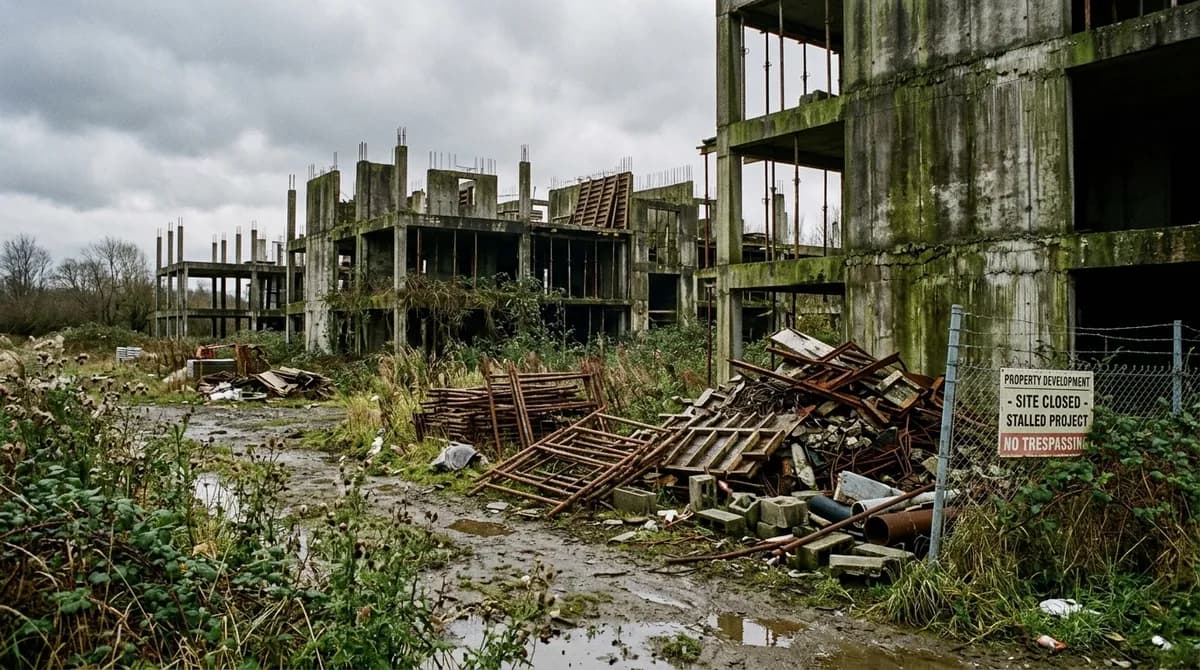
Buying property from a developer, whether a landed house or an apartment unit, should be a major step toward a better quality of life. In reality, however, many buyers have found themselves trapped in problematic property projects: units that never get finished, certificates that never get issued, or developers who simply vanish. Recognizing warning signs early can save you from significant financial losses.
Why It's Important to Spot Red Flags Early
Many prospective buyers get drawn in by attractive promotions, low prices, or massive discounts without thoroughly checking the developer's track record. In reality, problematic property projects often show warning signs long before construction begins or even before the sale agreement is signed. Recognizing these signs early is the most effective form of self-protection before signing any contract.
1. Prices Far Below Market Value
One of the most common warning signs is a price significantly lower than the average market rate in the same area. While it may sound tempting, an unrealistically low price often signals hidden problems, ranging from unclear land legality to construction quality being sacrificed to cut costs, or a sales scheme that carries much higher risk than it appears.
2. Lack of Transparency in Project Legality
A credible developer can always provide complete legal documentation for a project, including a Building Construction Permit (IMB/PBG), land status, and environmental permits. If a developer is reluctant or repeatedly delays providing these documents when requested, this is a warning sign that shouldn't be ignored.
3. Little Track Record or Verifiable Testimonials
Untrustworthy developers are often new companies with no prior project history, or worse, have a history of abandoned projects elsewhere. Prospective buyers should research previous projects completed by the developer, including checking independent reviews from past buyers rather than relying solely on testimonials featured in promotional materials.
4. Aggressive Marketing With Excessive Time Pressure
Tactics such as "price increases tomorrow" or "only 2 units left" used repeatedly to pressure buyers into making quick decisions should raise concern. Developers genuinely confident in their project's quality typically don't need excessive psychological pressure to drive sales.
5. Unusual Payment Schemes
Be wary of payment schemes that require a large upfront payment without clear construction progress, especially for projects still in the pre-sale (indent) phase. Ideally, payments should be made in stages aligned with construction progress that buyers can verify directly, rather than based solely on promises from the sales team.
6. Construction Delays Without Clear Explanation
Project delays aren't inherently unusual in the property industry. However, a red flag emerges when a developer fails to provide a transparent explanation for the delay, or even avoids questions about construction progress from prospective buyers or those who have already completed a transaction.
7. No Clear Sale and Purchase Binding Agreement (PPJB)
Every property transaction should ideally be accompanied by a Sale and Purchase Binding Agreement (PPJB) that details the rights and obligations of both parties, including consequences for delayed handover. A developer reluctant to provide a legally valid, written PPJB should be viewed with suspicion.
8. Recurring Negative Reviews Across Multiple Platforms
In the digital age, a problematic developer's track record can usually be traced through consumer reviews across various platforms, property forums, and social media. If a similar pattern of complaints emerges from multiple different buyers—such as delayed handovers, certificates never being issued, or poor construction quality—this is a strong indication that buying from that developer carries substantial risk.
Protective Steps Before Buying Property From a Developer
Verify land legality and building permits directly with the relevant authorities, rather than relying solely on explanations from sales staff.
Research the developer's track record through previous projects and independent reviews from other buyers.
Read the PPJB thoroughly before signing, including clauses related to delays and compensation.
Avoid excessive time pressure and take the time to conduct thorough research before making a decision.
Consult an independent notary or property advisor if you have doubts about the validity of project documents.
Monitor construction progress regularly, especially for projects purchased in the pre-sale (indent) phase.
Conclusion
Buying property from a developer requires more than simply being drawn in by attractive promotions or low prices. Recognizing red flags early — from lack of legal transparency to suspicious payment schemes — is a crucial step in protecting yourself from financial and legal losses down the road. With careful research and caution at every stage of the transaction, prospective buyers can avoid falling into the trap of a problematic property project.
Pemberitahuan Redaksi (Editorial Disclosure)
Artikel di PropertyID disusun melalui proses riset dan penulisan berbantuan teknologi, kemudian ditinjau dan divalidasi oleh tim redaksi sebelum dipublikasikan untuk memastikan keakuratan informasi, khususnya terkait data regulasi, simulasi finansial, dan ketentuan perbankan yang berlaku.
Bambang Prakoso, S.H., M.Kn.
Bambang Prakoso adalah notaris dan PPAT aktif dengan pengalaman lebih dari 10 tahun menangani legalitas transaksi properti. Ia aktif membagikan panduan hukum terkait sertifikasi tanah, akta jual beli, dan penyelesaian sengketa properti.