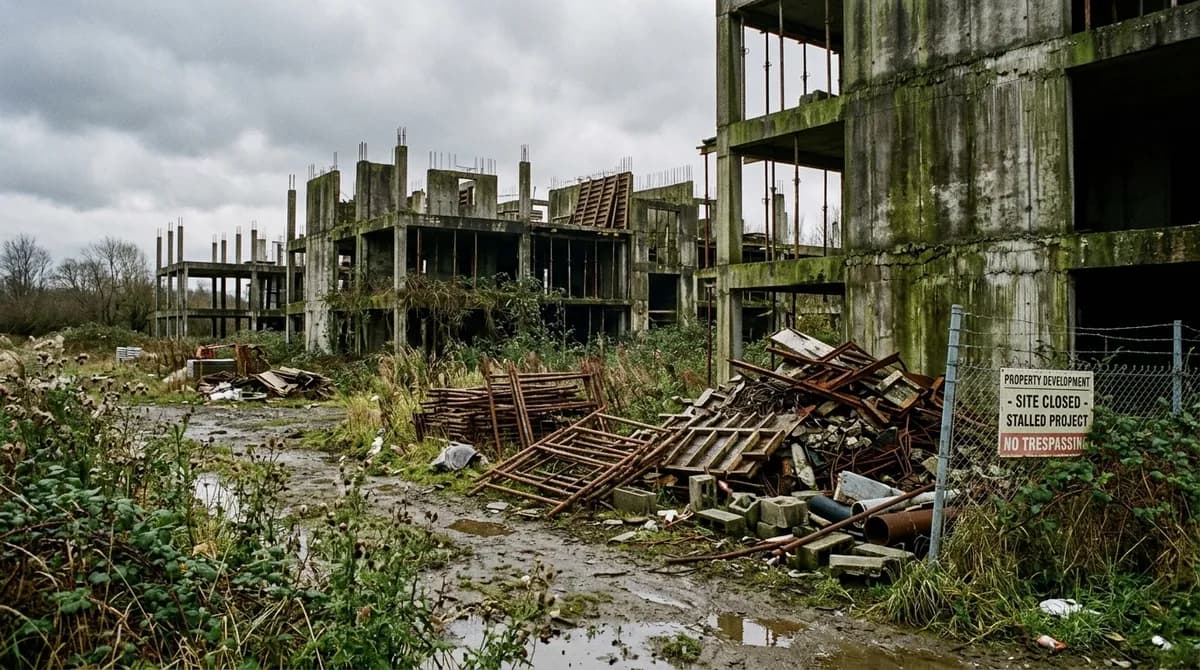


Budget-Friendly Home Renovation Tips Without Losing Quality
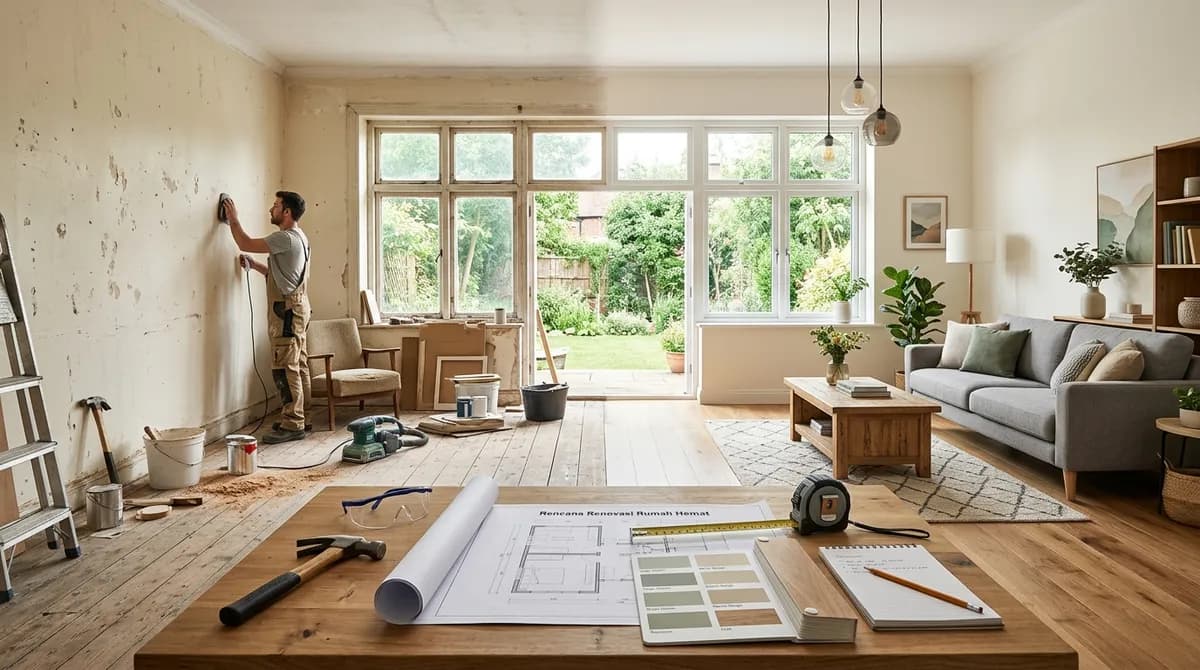
Want to renovate your home without overspending? Discover budget-friendly tips from planning to material selection to avoid cost overruns.
Budget-Friendly Home Renovation Tips Without Sacrificing Quality
Home renovation is often associated with high costs. Many people delay their renovation plans out of fear the budget will spiral out of control, or end up sacrificing quality just to keep expenses as low as possible. In reality, with the right planning, home renovation can be done affordably without compromising the final quality of the result.
Why Do Renovation Costs Often Spiral Out of Control?
Before diving into money-saving tips, it's important to understand the main causes behind renovation cost overruns. This typically happens due to poor planning, design changes made mid-project, material choices that don't align with the original budget, or insufficient supervision of workers and contractors. Understanding these root causes is the first step toward avoiding the same mistakes.
1. Create a Clear Plan and Set Priorities
The most decisive first step is developing a detailed renovation plan before starting any work. Determine which areas genuinely need urgent renovation and which can wait. By setting clear priorities, the budget can be allocated more efficiently toward the parts that truly impact the home's comfort and functionality.
2. Set a Budget Upfront and Keep a Reserve Fund
Setting a realistic budget from the start helps avoid cost overruns midway through the project. As a precaution, set aside a reserve fund of around 10 to 15 percent of the total budget to cover unexpected costs, such as hidden damage discovered only once work is underway.
3. Choose Materials Based on Need, Not Just Trends
Not every part of the house requires premium materials. For areas that are rarely visible or exposed, such as interior wall structures or hidden frameworks, standard-quality but sturdy materials are more than sufficient. On the other hand, for frequently used areas like the kitchen or bathroom, prioritize more durable materials even if slightly pricier, as they'll save money in the long run.
4. Reuse Old Materials or Furniture That Are Still Usable
Before purchasing new materials, check whether existing materials or furniture are still in good condition. Elements such as door frames, wooden structures, or even old tiles can sometimes be reused with minor repairs or repainting, significantly reducing the need to purchase new materials.
5. Renovate in Stages According to Your Financial Capacity
Not every renovation needs to be completed all at once. For limited budgets, phased renovation can be a smart solution — for instance, completing priority areas first, then moving on to other areas once finances are more stable. This approach also helps avoid rushed decisions that risk lowering the quality of the final result.
6. Compare Prices From Several Contractors or Workers
Don't rush into hiring the first contractor you contact. Comparing quotes from several contractors or workers not only helps secure the best price but also gives a clearer picture of a reasonable cost estimate for the planned work.
7. Monitor the Work Process Regularly
Insufficient supervision is often a major cause of cost overruns, whether from work errors requiring rework or wasted materials on-site. Taking the time to regularly monitor project progress helps catch problems early before they turn into unnecessary additional costs.
8. Focus on Functional Improvements, Not Just Aesthetics
An effective renovation should ideally prioritize improvements that enhance the home's functionality, such as fixing a leaking roof, upgrading the electrical system, or repairing plumbing, rather than focusing solely on aesthetic changes. Good functionality delivers far greater long-term value than visual appearance alone.
Common Mistakes to Avoid
Changing the design mid-project without recalculating the budget.
Choosing a contractor solely based on the lowest price without checking their track record.
Not having a clear written work contract outlining the scope of work and costs.
Overlooking the estimated project timeline, which can affect additional operational costs.
Conclusion
Renovating a home on a budget doesn't have to mean sacrificing the quality of the final result. With careful planning, targeted material selection, and consistent supervision throughout the process, renovations can be carried out efficiently without compromising the home's comfort or long-term durability. The key lies in staying disciplined with the initial plan and being able to distinguish between expenses that are truly essential and those that can wait.
Pemberitahuan Redaksi (Editorial Disclosure)
Artikel di PropertyID disusun melalui proses riset dan penulisan berbantuan teknologi, kemudian ditinjau dan divalidasi oleh tim redaksi sebelum dipublikasikan untuk memastikan keakuratan informasi, khususnya terkait data regulasi, simulasi finansial, dan ketentuan perbankan yang berlaku.
Tim Redaksi
Tim redaksi PropertyID menyajikan berita, analisis, dan panduan properti terpercaya.